
April 8, 2026
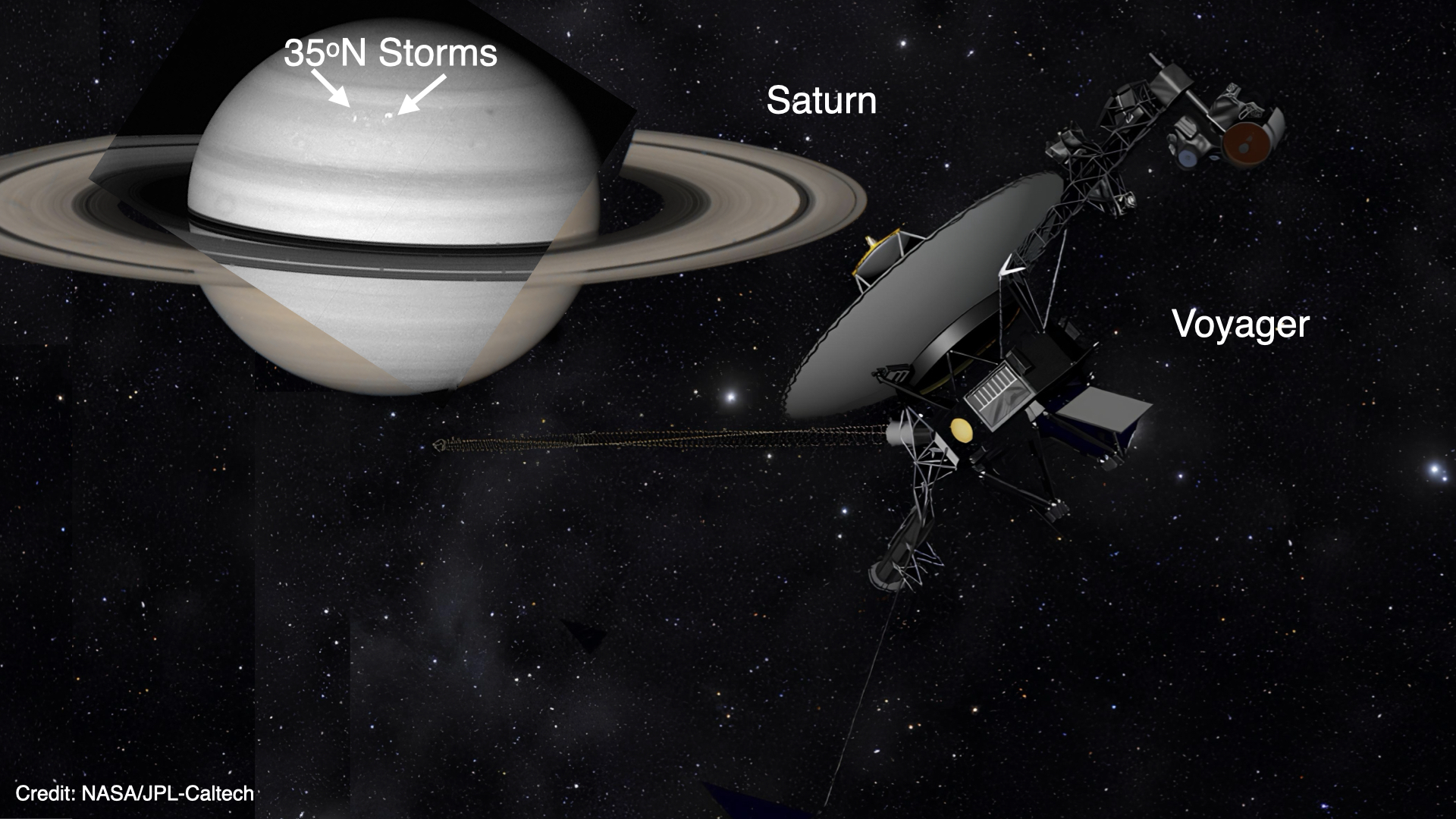
The Voyager spacecraft and source locations of lightning on Saturn. Credit: NASA/JPL-Caltech
- Imai, M., Fischer, G., Taubenschuss, U., Kolmašová, I., Santolík, O., & Píša, D. (2026). Polarization measurements and source locations of Saturn electrostatic discharges during the Voyager era. Journal of Geophysical Research: Planets, 131, e2025JE009079. https://doi.org/10.1029/2025JE009079
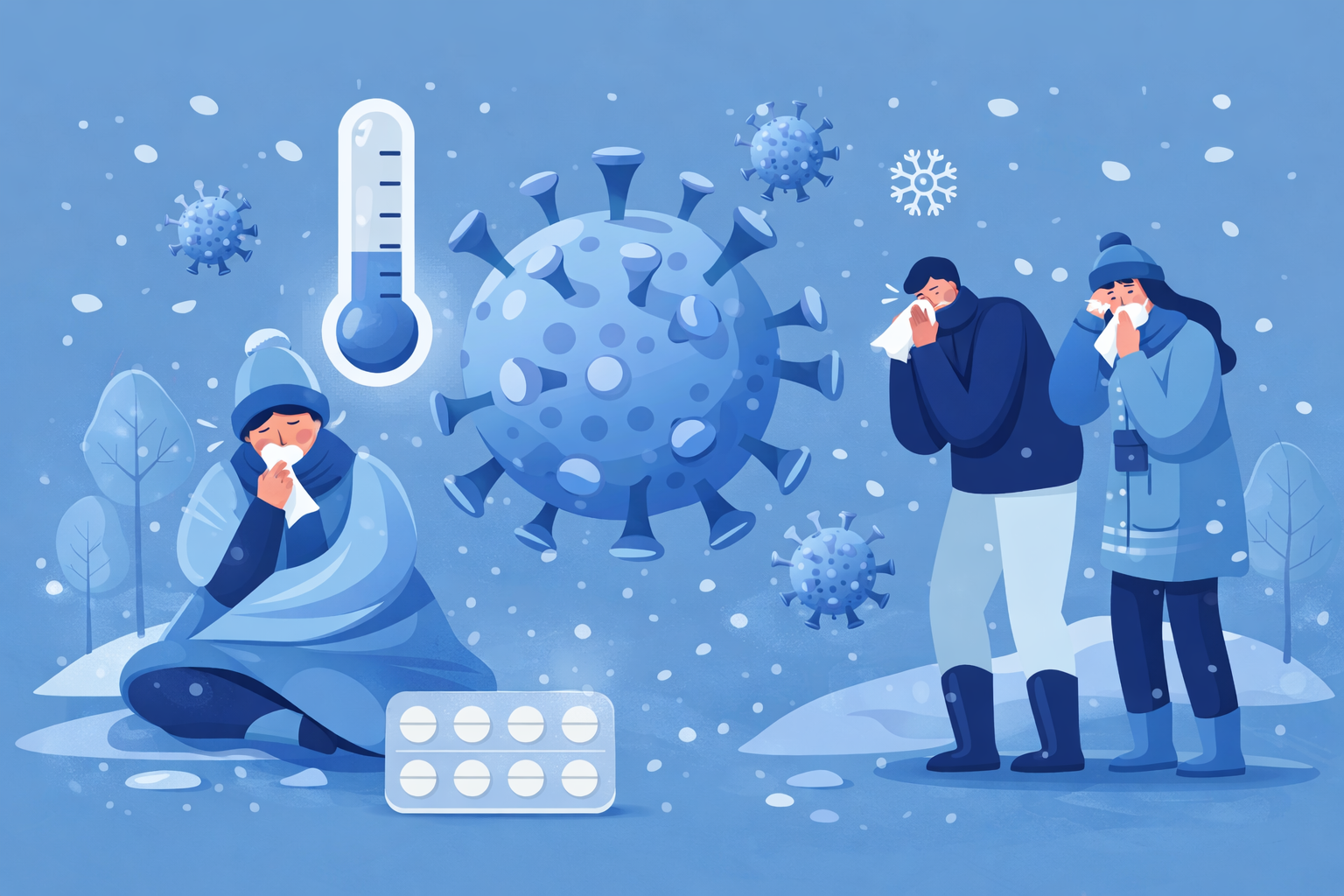 Epidemics of acute respiratory infections (especially influenza) represent a major health issue during the winter season. Two recent publications have contributed to a better understanding of how weather has affected influenza activity and human mortality in the Czech Republic over the past four decades (1982–2020).
Hana Hanzlíková et al. (2026) found significant associations between weather – particularly temperature – and the variability and severity of influenza epidemics in terms of their impact on human mortality. Epidemics associated with high mortality tended to follow relatively cold winter periods (below-average temperatures) and were predominantly linked to the A/H3N2 virus subtype. In contrast, epidemics with a weaker impact on mortality were more likely to occur during relatively warm periods (average or above-average temperatures) and were associated with other virus types (such as A/H1N1).
An analysis by Ekaterina Borisova et al. (2026) provided further insight into how respiratory infections modify the impact of cold weather on mortality. The results showed that while cold weather places stress on the human body and increases the risk of death, it also promotes the spread of acute respiratory infections, which in turn contribute to higher mortality. The analysis suggests that approximately 12% of cold-related deaths in the period 1982–2019 could be attributed to the mediating effect of respiratory infections.
Taken together, these findings highlight that excess winter mortality is driven by a combination of direct temperature effects and indirect effects mediated through infectious diseases. They also demonstrate that the severity of influenza epidemics depends not only on meteorological conditions but also on the circulating virus subtype. This improved understanding is important for anticipating health risks and designing more effective public health responses to seasonal mortality patterns.
Reference:
Epidemics of acute respiratory infections (especially influenza) represent a major health issue during the winter season. Two recent publications have contributed to a better understanding of how weather has affected influenza activity and human mortality in the Czech Republic over the past four decades (1982–2020).
Hana Hanzlíková et al. (2026) found significant associations between weather – particularly temperature – and the variability and severity of influenza epidemics in terms of their impact on human mortality. Epidemics associated with high mortality tended to follow relatively cold winter periods (below-average temperatures) and were predominantly linked to the A/H3N2 virus subtype. In contrast, epidemics with a weaker impact on mortality were more likely to occur during relatively warm periods (average or above-average temperatures) and were associated with other virus types (such as A/H1N1).
An analysis by Ekaterina Borisova et al. (2026) provided further insight into how respiratory infections modify the impact of cold weather on mortality. The results showed that while cold weather places stress on the human body and increases the risk of death, it also promotes the spread of acute respiratory infections, which in turn contribute to higher mortality. The analysis suggests that approximately 12% of cold-related deaths in the period 1982–2019 could be attributed to the mediating effect of respiratory infections.
Taken together, these findings highlight that excess winter mortality is driven by a combination of direct temperature effects and indirect effects mediated through infectious diseases. They also demonstrate that the severity of influenza epidemics depends not only on meteorological conditions but also on the circulating virus subtype. This improved understanding is important for anticipating health risks and designing more effective public health responses to seasonal mortality patterns.
Reference:
- Hana Hanzlíková, Plavcová, E., Kyselý, J., Kynčl, J., Malý, M., Urban, A., 2026: Links between influenza epidemics weather characteristics and all-cause mortality in the Czech Republic, 1982–2020, BMC Public Health, 26 (1), 189, doi.org/10.1186/s12889-025-25861-9
- Ekaterina Borisova, Ballester, J., Hanzlíková, H., Plavcová, E., Kyselý, J., Kynčl, J., Urban, A., 2026: The mediating role of acute respiratory infections in temperature-mortality associations in the Czech Republic, 1982–2019, International Journal of Biometeorology, 70, 84.

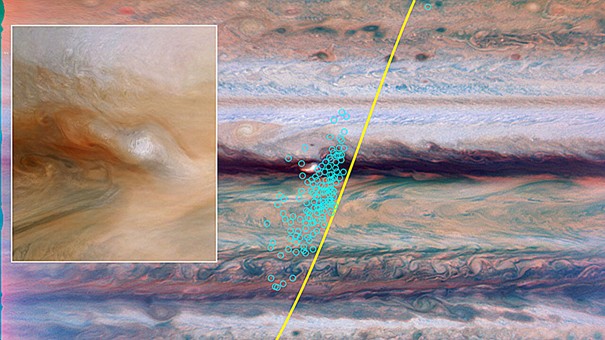
NASA's Juno spacecraft passed north to south (yellow track) over Jupiter's atmosphere in August 2022, detecting a cluster of radio pulses from lightning (turquoise circles). A background map from the Hubble Space Telescope identified the lightning source as an isolated "stealth superstorm". The inset shows a previous stealth superstorm plume from JunoCam data. Credit: NASA/JPL-Caltech/SwRI/MSSS/Björn Jónsson (JunoCam); AGU Advances (2026). DOI: 10.1029/2025av002083; HST and Juno MWR.
- Wong et al. (2026). Radio Pulse Power Distribution of Lightning in Jupiter’s 2021–2022 Stealth Superstorms. AGU Advances. Wiley Online Library. https://doi.org/10.1029/2025AV002083
February 17, 2026
The small icy moon Enceladus, with its famous water geysers, has an unexpectedly powerful influence on Saturn's entire magnetic field. Data from the Cassini spacecraft has revealed that the moon's influence extends to a record distance of over 500,000 kilometers—more than 2,000 times the moon's radius. This is the first time scientists have observed such a massive electromagnetic reach from such a small body. The Institute of Atmospheric Physics of the Czech Academy of Sciences participated in this international study.
The world was recently surprised by the discovery that the small icy moon Enceladus, located at the edge of Saturn's rings, meets key conditions suitable for extraterrestrial life. The Cassini mission—a unique collaboration between NASA, the European Space Agency (ESA), and the Italian Space Agency (ASI)—has now yielded further fascinating data. It shows that the small icy moon’s influence on Saturn’s environment is far more extensive than experts previously thought.
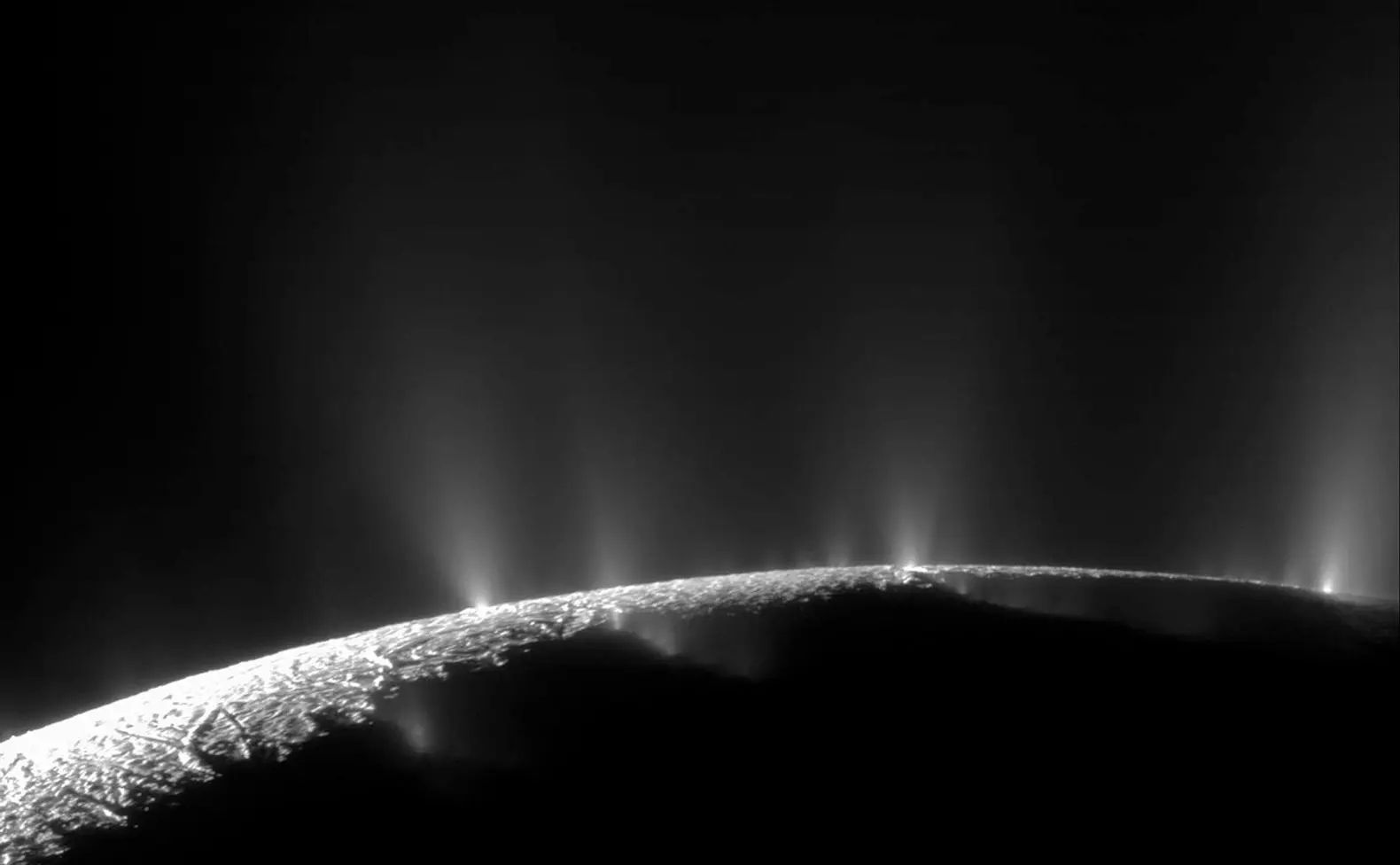 "In the space upstream of Enceladus, we discovered a complex web of reflected electromagnetic waves that do not just travel within the orbital plane, but blast high toward Saturn’s north and south poles. Our analysis shows that Enceladus pumps energy into the entire vicinity of the giant planet," says Czech scientist David Píša from the Institute of Atmospheric Physics of the CAS, who is a co-author of the extensive international study. The study was published this February in the Journal of Geophysical Research: Space Physics, a renowned journal in the field of space physics.
Thanks to the Cassini mission's research, we know that Enceladus is not just a ball of ice, but a geologically very active body. Geysers of water vapor and dust erupt from fissures in the ice surface of Enceladus' southern hemisphere. When exposed to radiation, the water molecules and particles from these plumes become ionized, creating plasma. As this plasma flows around Enceladus, it interacts with Saturn’s magnetic field. This influence is so dominant that it affects energy flows throughout the entire system of Saturn’s moons and rings.
The Invisible Pipelines of Alfvén Wings
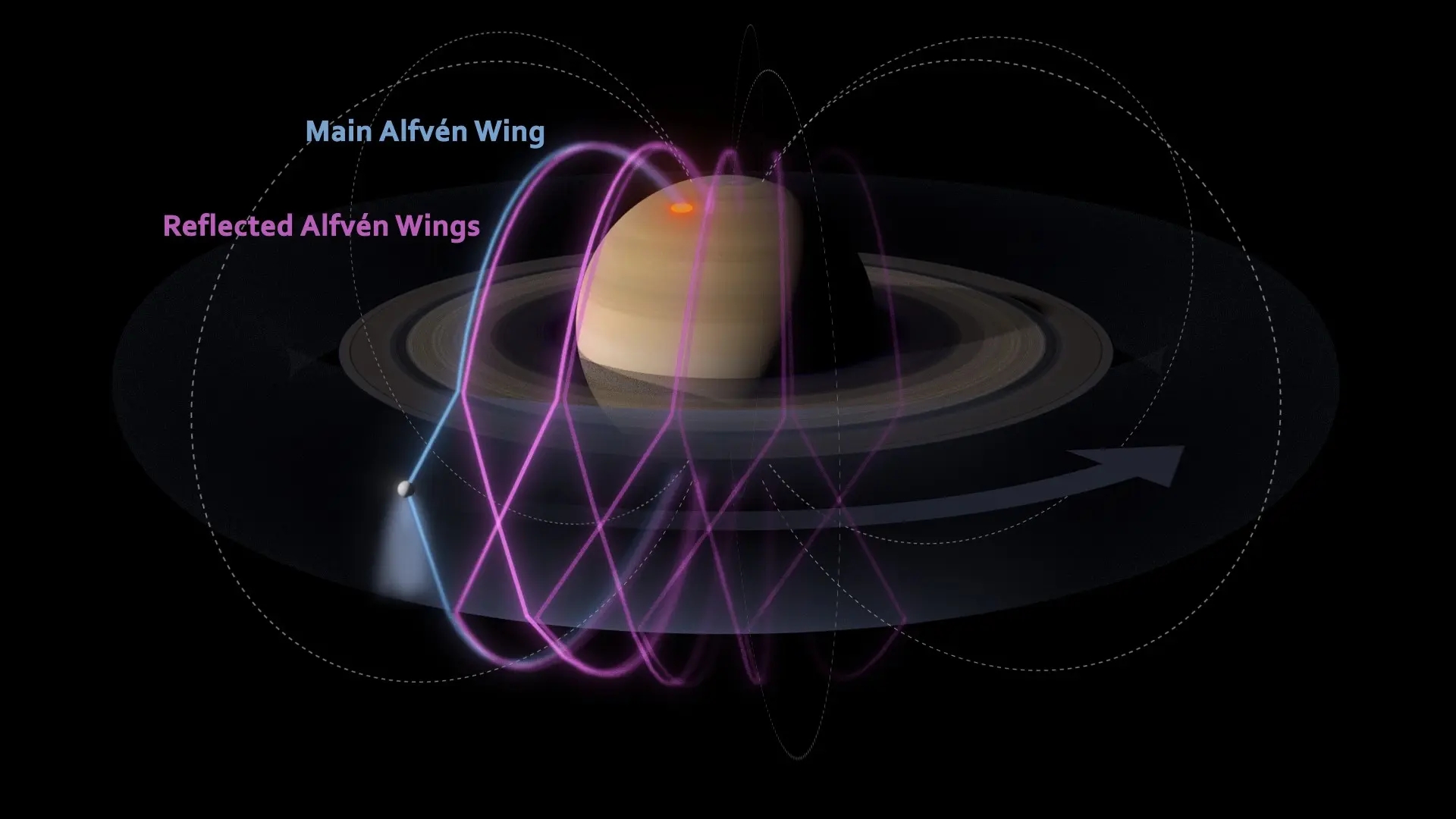 David Píša, a data analysis expert on plasma waves, points out that the research provides new evidence of the phenomenon known as Alfvén wings. These are specific vibrations that propagate along magnetic field lines, much like a wave on a string. Waves in the primary Alfvén wing bounce back and forth between Saturn's ionosphere and the Enceladus plasma torus; in combination with reflected waves, they facilitate a complex exchange of energy between the moon and Saturn's ionosphere.
"These waves function as invisible pipelines for energy transfer along magnetic field lines. Thanks to this, the moon and the planet effectively communicate even over vast distances," the physicist explains.
The research team sifted through thirteen years of archives from four instruments aboard the Cassini spacecraft. In thirty-six instances, the probe entered regions of magnetic connection between the moon and the planet. It was revealed that the waves are not just large and uniform, but that they split into fine filaments due to turbulence. "It is these tiny structures that can alter the trajectories of charged particles, which subsequently create specific auroras at Saturn’s poles," says David Píša.
The new discovery may help scientists understand other unexplored parts of the universe—such as Jupiter’s icy moons or distant exoplanets. In 2040, the European Space Agency (ESA) plans to send another probe to Enceladus, which is intended to land on the moon. Scientists are already working on instruments capable of studying Enceladus' fascinating electromagnetic interactions with Saturn in even greater detail.
Link to study:
- L. Z. Hadid, T. Chust, J.-E. Wahlund, M. W. Morooka, E. Roussos, O. Witasse, J. Rabia, D. Pisa, et al. (2026). Evidence of an extended Alfvén wing system at Enceladus: Cassini’s multi‐instrument observations. Journal of Geophysical Research: Space Physics, 131, e2025JA034657. https://doi.org/10.1029/2025JA034657
27 February 2026
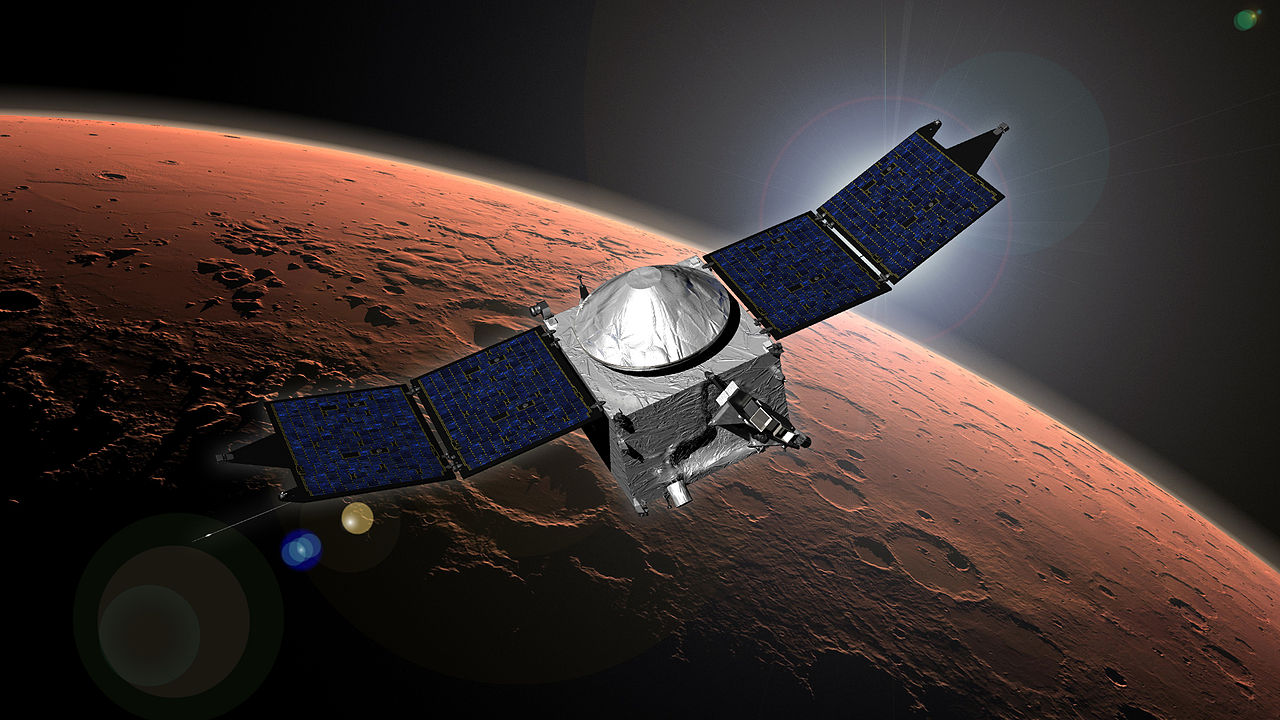
The MAVEN spacecraft, a planetary probe designed to study the Martian atmosphere.

Artist's rendition of an electrical discharge on Mars – illustrative image (Source: Milan Machatý, MFF UK and IAP CAS).
- Němec, F., Rosická, K., Kolmašová, I. and Santolík, O., 2026: Lightning-generated waves detected at Mars. Sci. Adv., 12, doi.org/10.1126/sciadv.aeb4898.
- Sound of a captured whistler after frequency and duration adjustment (Source: Charles University, Czech Academy of Sciences)
March 26, 2026
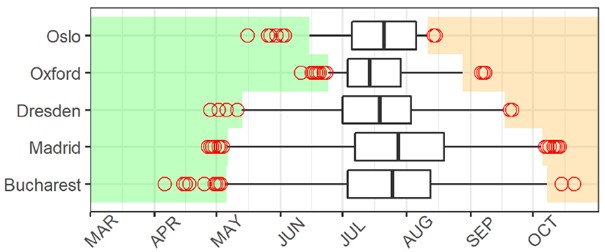
The illustration highlights emerging off-season heat waves (red circles) outside their typical period.
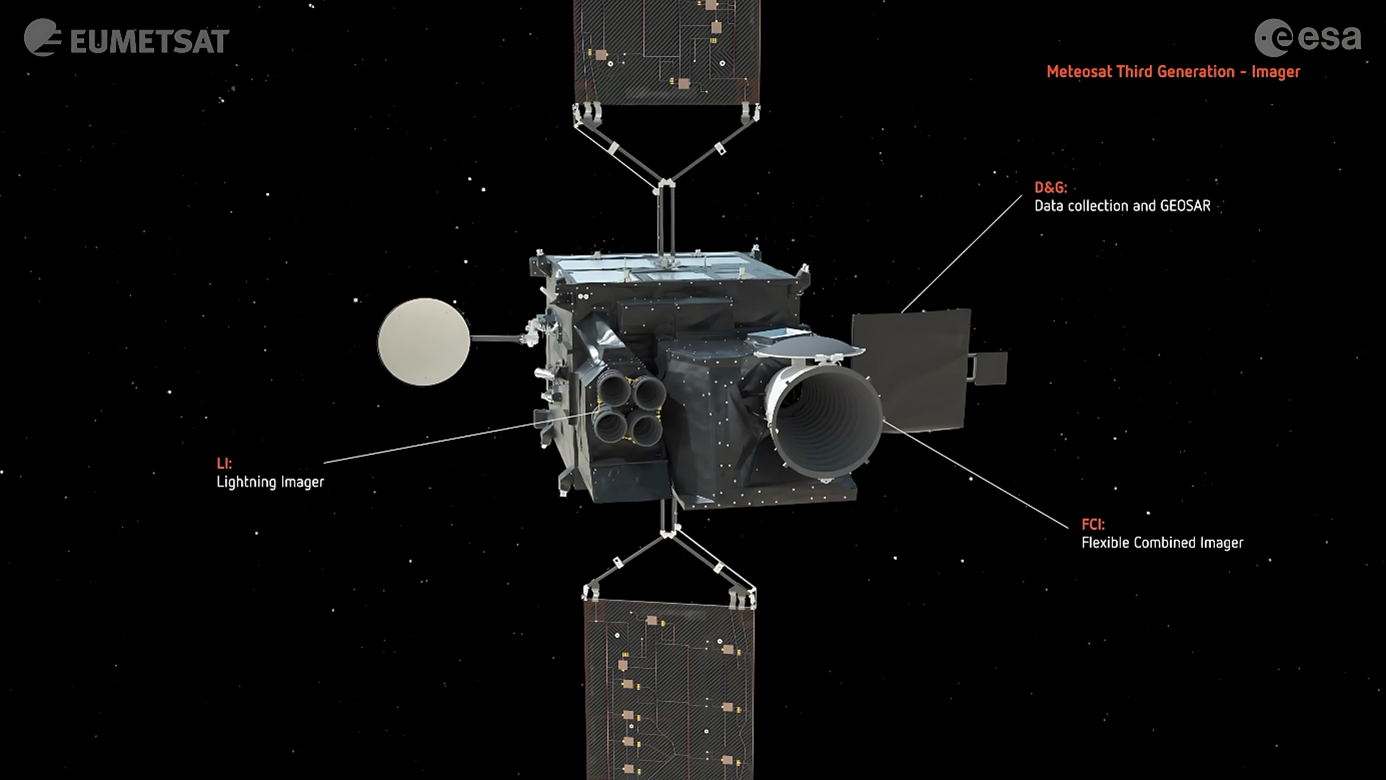
A view of the front section of the MTG-I1 satellite and its instrumentation. Source: © EUMETSAT 2025, © ESA 2025
For the first time in history, Europe has the capability to continuously monitor lightning activity from orbit, thanks to the Meteosat Third Generation (MTG) satellite system. The first scientific validation of space-based lightning monitoring quality was conducted by Czech scientists from the Institute of Atmospheric Physics of the Czech Academy of Sciences (CAS). They confirmed the high accuracy of the new key instrument, the Lightning Imager. This technological tool, previously used only by American and Chinese satellite systems, will fundamentally impact aviation safety and the accuracy of short-term forecasts for severe storms in Europe.
Until now, lightning monitoring over Europe, Africa, and the Atlantic Ocean relied primarily on ground-based measuring stations. While highly accurate, their range is limited by the density of installed sensors, creating "blind spots," particularly over oceans and in remote areas. The third generation of Meteosat satellites—developed by EUMETSAT (the operator of European meteorological satellite systems) and the European Space Agency (ESA)—fills this gap, providing a global perspective with unprecedented detail.
The Lightning Imager (LI), a key component of the system, consists of four cameras that scan the atmosphere at a frequency of 1,000 frames per second. It can detect short optical pulses of lightning discharges at the top of clouds, including both cloud-to-ground and cloud-to-cloud lightning.
"This is a technically very advanced instrument, but for its use in operational meteorology, it was essential to verify how well data from an altitude of 36,000 kilometers matches reality on the ground," explains Vojtěch Bližňák from the Institute of Atmospheric Physics of the Czech Academy of Sciences. "Our analysis demonstrated the instrument's great potential for monitoring lightning activity—it showed good agreement with ground-based networks in both space and time. A significant contribution is, in particular, establishing the relationship between the light intensity captured by the satellite and the peak current of the lightning. This allows us, for the first time, to accurately track the lightning activity of storms even in areas where ground measurements are completely absent," says the scientist.
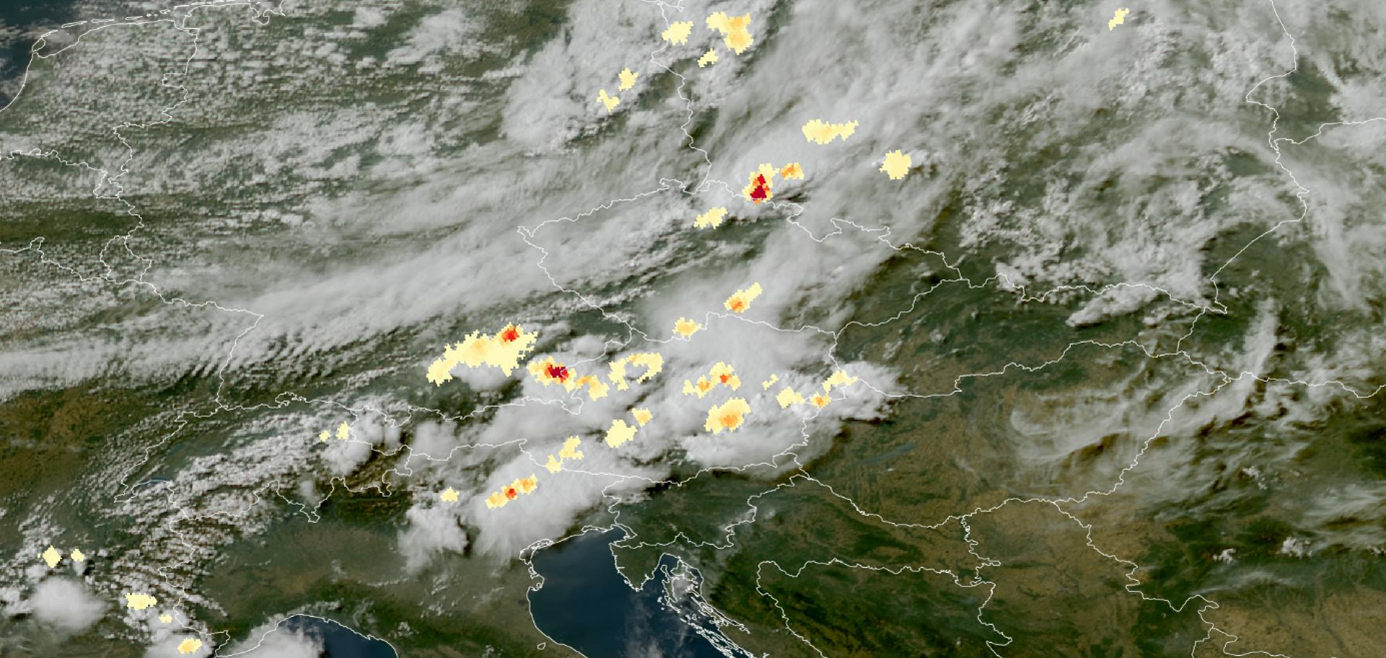
Convective storms captured by the MTG satellite on June 23, 2025, at 15:30 UTC. The yellow-red layer shows areas of lightning activity—the redder the color, the more lightning strikes were recorded. The background is a natural-color satellite image of cloud cover. Source: © EUMETSAT 2025, visualization: EUMETView
The study by scientists from the Institute of Atmospheric Physics focused on a detailed comparison of data from the Meteosat Third Generation satellite with the Earth Networks Total Lightning Network (ENTLN), a precise ground-based network. The research proved that the Lightning Imager exhibits higher detection sensitivity during nighttime hours compared to ground measurements. "In rare cases, these records may include optical phenomena unrelated to lightning activity, such as the passage of bright meteors (bolides) or intense lighting from large urban areas. During the day, on the other hand, detection is more difficult due to the higher light background caused by sunlight reflected off clouds, so some weaker discharges may not be captured," describes the study's author, Vojtěch Bližňák.
These findings are crucial for further improving the software that processes satellite data. "The goal is for the system to become even more efficient in the future at automatically recognizing and filtering false signals, providing meteorologists with the most reliable data possible on storm activity," says Vojtěch Bližňák.
According to the Czech scientists, the new generation of Meteosat satellites is an important tool in both basic and applied research. Real-time lightning activity data is essential primarily for "nowcasting"—the very short-term forecasting of extreme weather events, such as hailstorms or torrential rainfall.
Contact: RNDr. Vojtěch Bližňák, Ph.D. Institute of Atmospheric Physics of the Czech Academy of Sciences bliznak@ufa.cas.cz +420 272 016 051
Link to the study: V. Bližňák and Z. Sokol (2026). First validation of the Lightning Imager aboard Meteosat Third Generation with Earth Networks Total Lightning Network. International Journal of Applied Earth Observation and Geoinformation, 147, 104273. https://doi.org/10.1016/j.jag.2026.105205
The Institute of Atmospheric Physics participates in the following projects of the EU Horizon 2020 Framework Programme:
- EUROPLANET 2024 RI, "Europlanet 2024 Research Infrastructure", Project ID: 871149 - PAGER, "Prediction of Adverse effects of Geomagnetic storms and Energetic Radiation", Grant Agreement No. 870452 - SafeSpace, "Radiation Belt Environmental Indicators for the Safety of Space Assets", Project number: 870437

Small cumulus humilis clouds that can have noticeable vertical development and clearly defined edges.
The presentation generalizes findings from recent studies, focusing on the connection between Cu dynamic properties, such as velocity field, entrainment/detrainment, and cloud microphysical properties, such as cloud dilution rate and droplet size distribution parameters. Special attention is paid to the mechanisms of cloud-surrounding interactions. In particular, we focus on numerical and analytical derivations from the results of 10-m-resolution Large Eddy Simulations with spectral bin microphysics and statistical analysis of the motion of passive tracers. We used wavelet filtration to separate the cloud's dynamic and microphysical fields into turbulent and convective ones. The main parameters of cloud turbulence and convective motions were evaluated. Turbulence was shown to form an interface zone of a few tens of meters between the cloud and the surrounding air. Convection-scale motions are responsible for dynamic and microphysical properties' formation in the cloud interior. The special role of the vortex ring (toroidal vortex, TV) arising in the upper part of developing clouds is stressed. This TV is responsible for dynamic and microphysical cloud structure formation. It determines the cloud's size, internal dynamics, and ascent velocity of the cloud top. It is demonstrated numerically and analytically that the TV-related cloud circulation leads to a mean adiabatic fraction of 0.4-0.5. The close relationship between this value and the shapes of the size distribution functions is demonstrated. Knowledge of the effects TV has on cloud microphysics and dynamics allows us to propose parameterization of the main dynamic and microphysical properties of small Cu using sounding data and aerosol concentrations.
Assimilation of Doppler from space in WRF model: application to WIVERN radar for the Medicane Ianos case study
| Speaker: Stefano Federico | 19 Sep 2024 in the large meeting room |
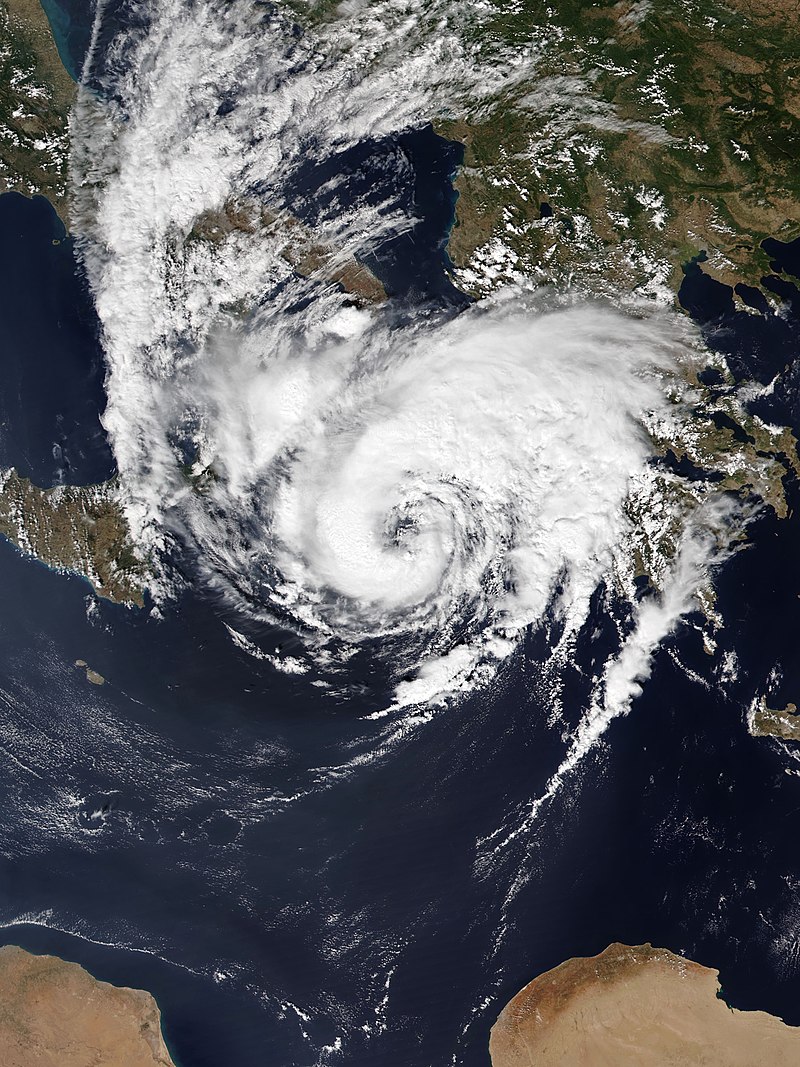
Ianos at its record peak intensity, nearing landfall in Greece on 17 September.
- Battaglia, A., et al., 2022, https://doi.org/10.5194/amt-15-3011-2022.
- Federico, S., 2013, https://doi.org/10.5194/amt-6-3563-2013.
- Illingworth, A. J., et al., 2018, DOI: 10.1175/BAMS-D-16-0047.1, 1669-1687.
- Flaounas, E., et al., 2023, https://doi.org/10.5194/wcd-4-639-2023

1284
publications (since 2010)
197
projects (since 2010)
118
employees
60
years